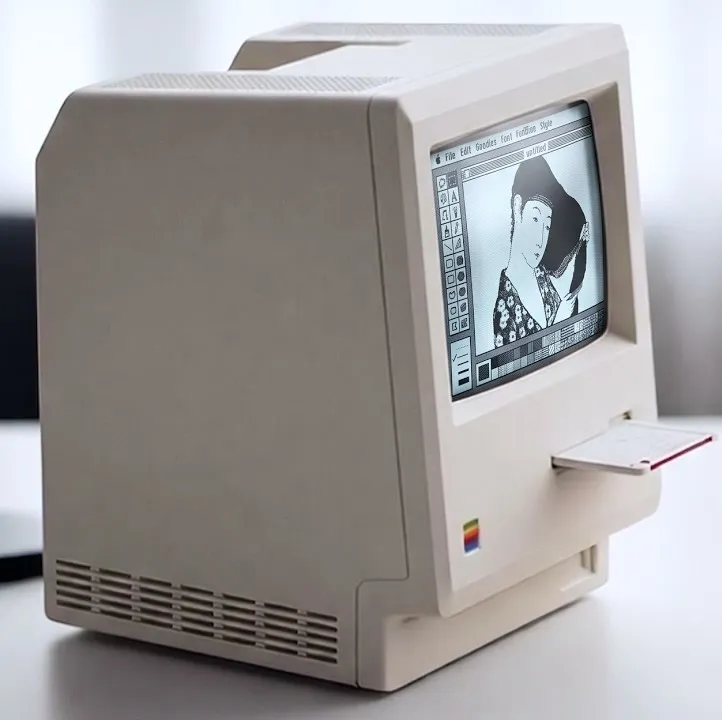
* banana not included
Macintosh Mini
from $29.00
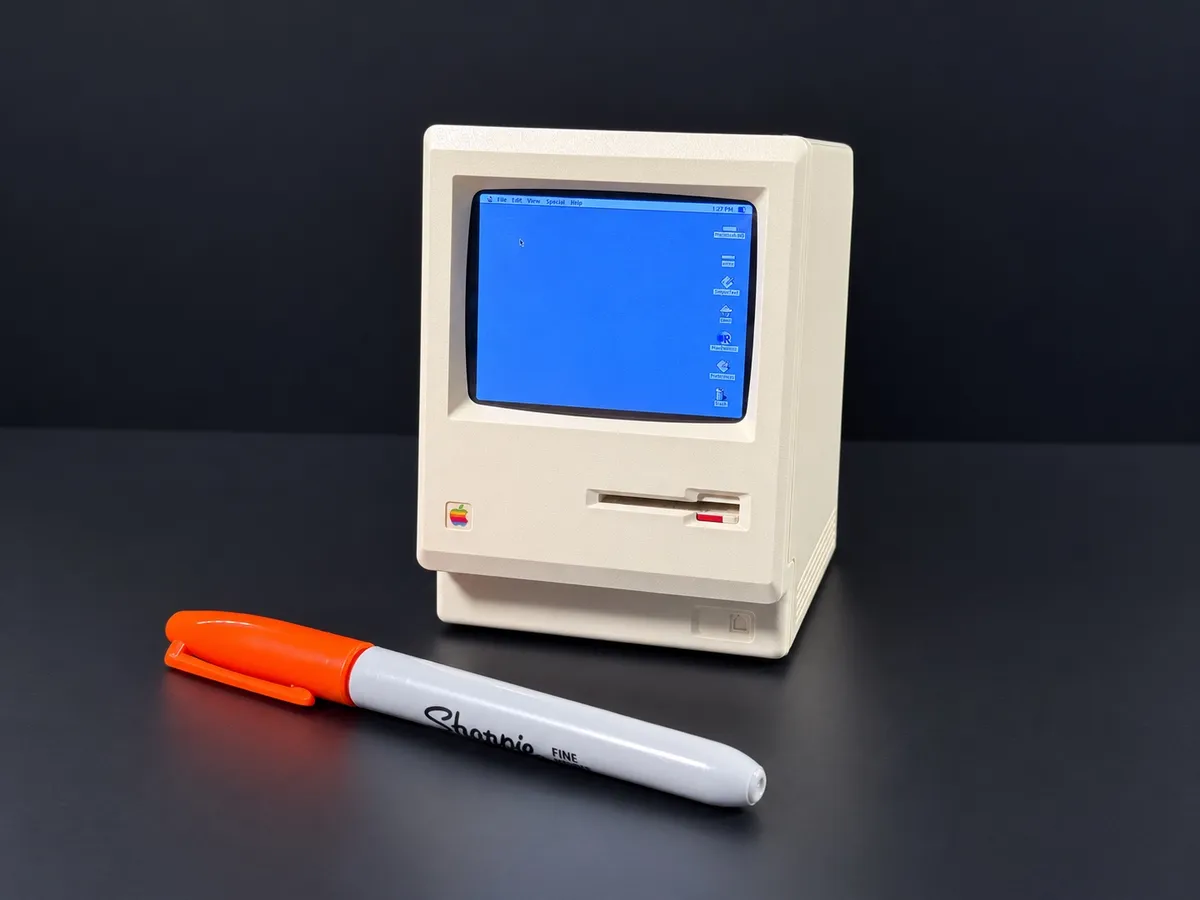
Turn a Maclock alarm clock into a fun and functional mini compact Mac, running real Mac OS, powered by a Raspberry Pi.
The tricky soldering already done
A working Macintosh Mini with Wi-Fi, sound, USB, and internal battery.
Microsoldering required. Not recommended for beginners.
Add-ons
Total
$349.00
Payment






Macintosh Mini
Fully assembled
$349.00
Description
The Maclock is a novelty desk clock shaped like the original 1984 Macintosh. This kit turns it from a clock into the real thing: a tiny working compact Mac that boots classic Mac OS off a Raspberry Pi hidden inside the case.
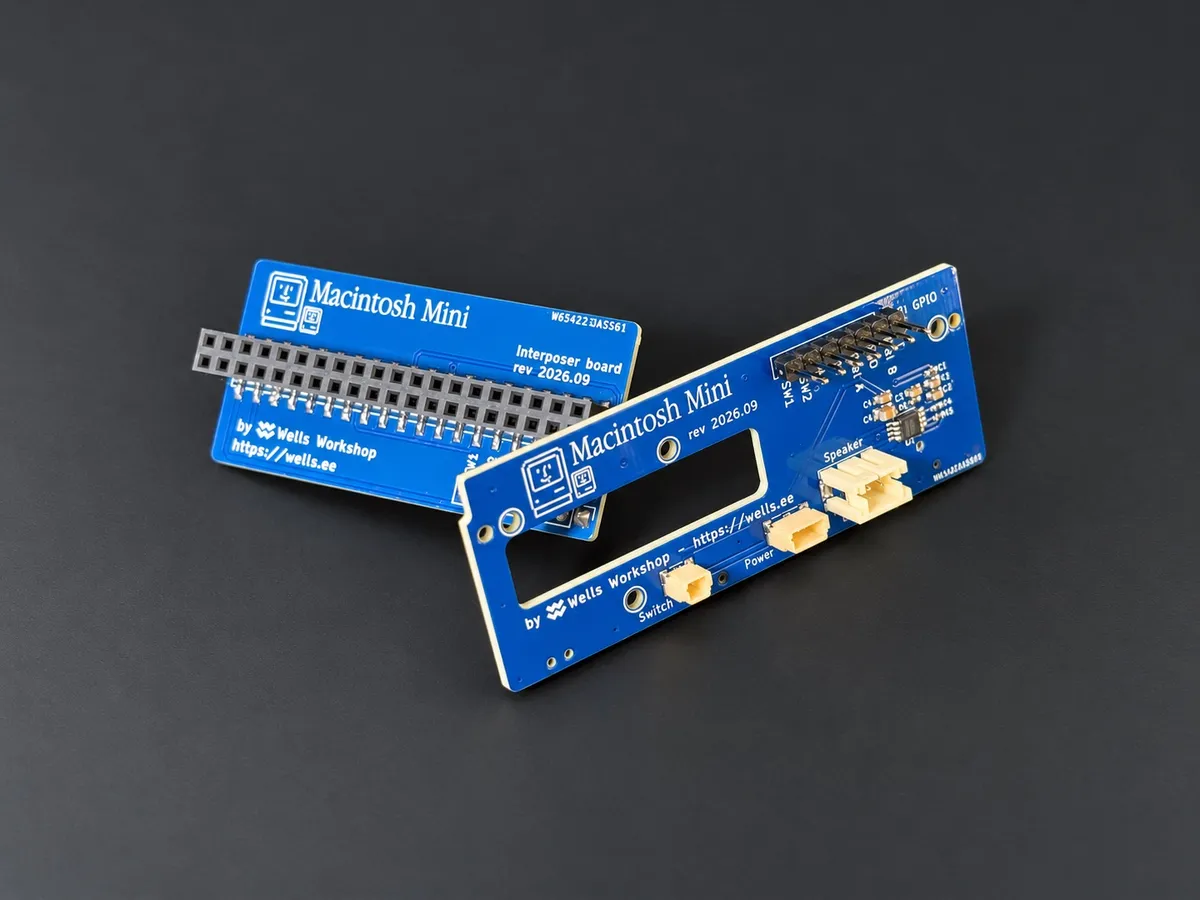
My custom PCB makes wiring into the onboard power, battery, and power switch easy and solderless. It also adds brightness control, sound, and two buttons you can program to do pretty much anything. By default, the left button restarts Mac OS, and the right one gracefully shuts down the Raspberry Pi.
My  install script is a robust and easy-to-use installer that turns your fresh install of Pi OS into a dedicated Mac OS emulation machine with just a few clicks. Running the same script will also install any future updates — this project is constantly getting improvements from a dedicated community of Macintosh Mini enjoyers.
Configurations
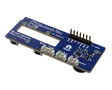 DIY kit, pre-soldered — the kit with the trickier soldering already done for you. Finish the last few connections, flash your micro SD card, and close it up.
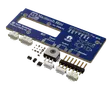 DIY kit — the board, all the components, and the assembly guide. Not recommended for novice builders or anyone without a benchtop microscope. These components are tiny! It’s definitely doable though.
 Fully assembled — the whole Mac. A Maclock, a Raspberry Pi Zero 2 W, the 2.8” display, the board, the speaker, the bezel, and a 32 GB SD card. It boots to Pi OS with Basilisk II set up. Just upload your own Mac ROM and disk image.
Add-ons
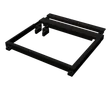 3D-printed screen bezel - to securely mount the LCD screen in the frame. Download the printable STL from GitHub, or you can buy one from me if you don’t have a 3D printer.
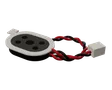 Speaker - if you want onboard audio and the iconic boot chime. Not the best audio quality, but period appropriate!
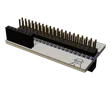 GPIO interposer - a small assembled board that plugs onto the Pi’s 40-pin header, with the display plugged onto it in turn. It keeps the five GPIOs the Macintosh Mini PCB uses (the dial, the two buttons and audio) away from the display, which otherwise fights them, and brings them out with 5V and ground on a 1×7 female socket on the screen side, in the same order as the PCB’s header, which it plugs straight onto. No cable, and no pins to cut, bend or desolder on the Pi. It adds about 12.5 mm between the Pi and the display. The KiCad files are on GitHub.
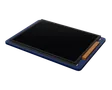 Waveshare 2.8” IPS LCD — You can also buy from
 Amazon.
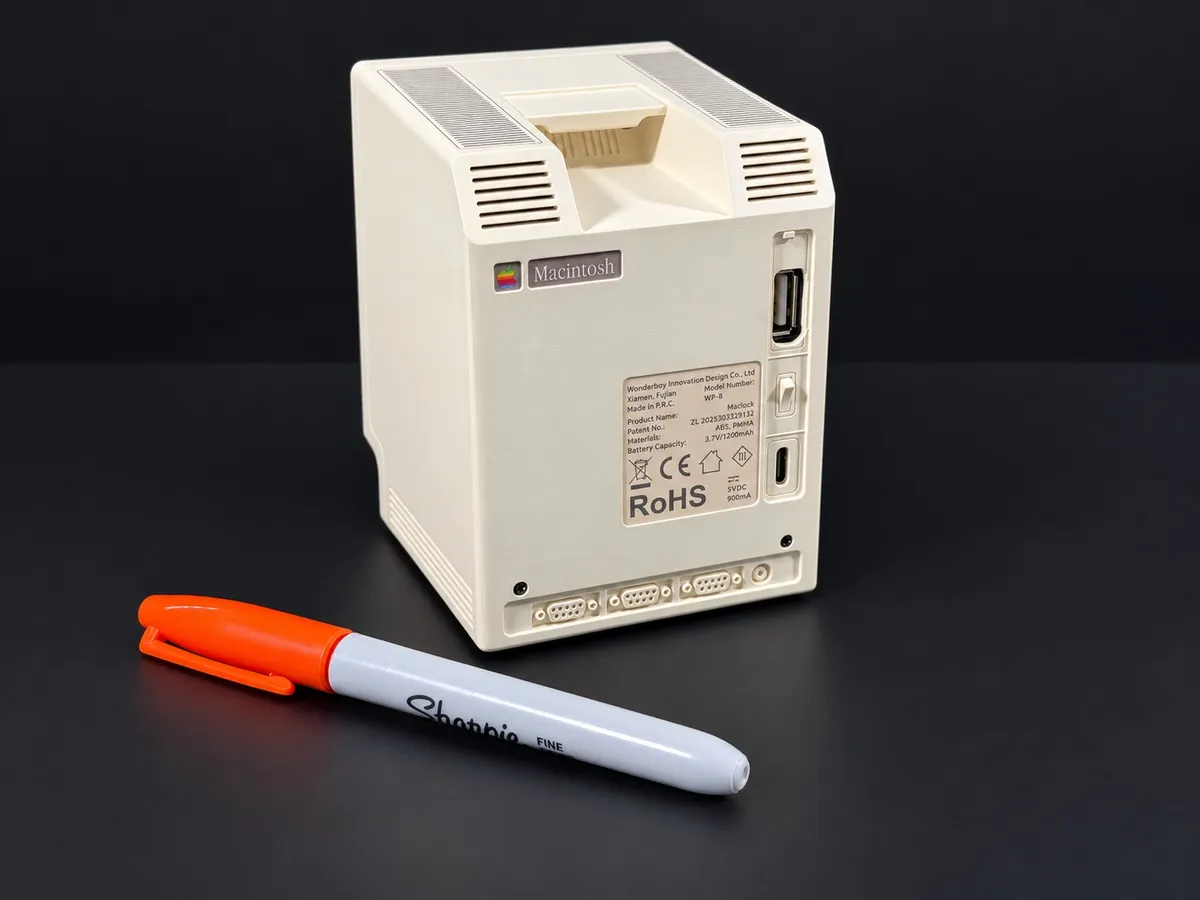
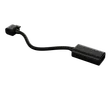 MicroUSB to USB-A cable - If you want to add a USB port to the back of your Mac for a mouse, keyboard, or whatever. (Recommended)
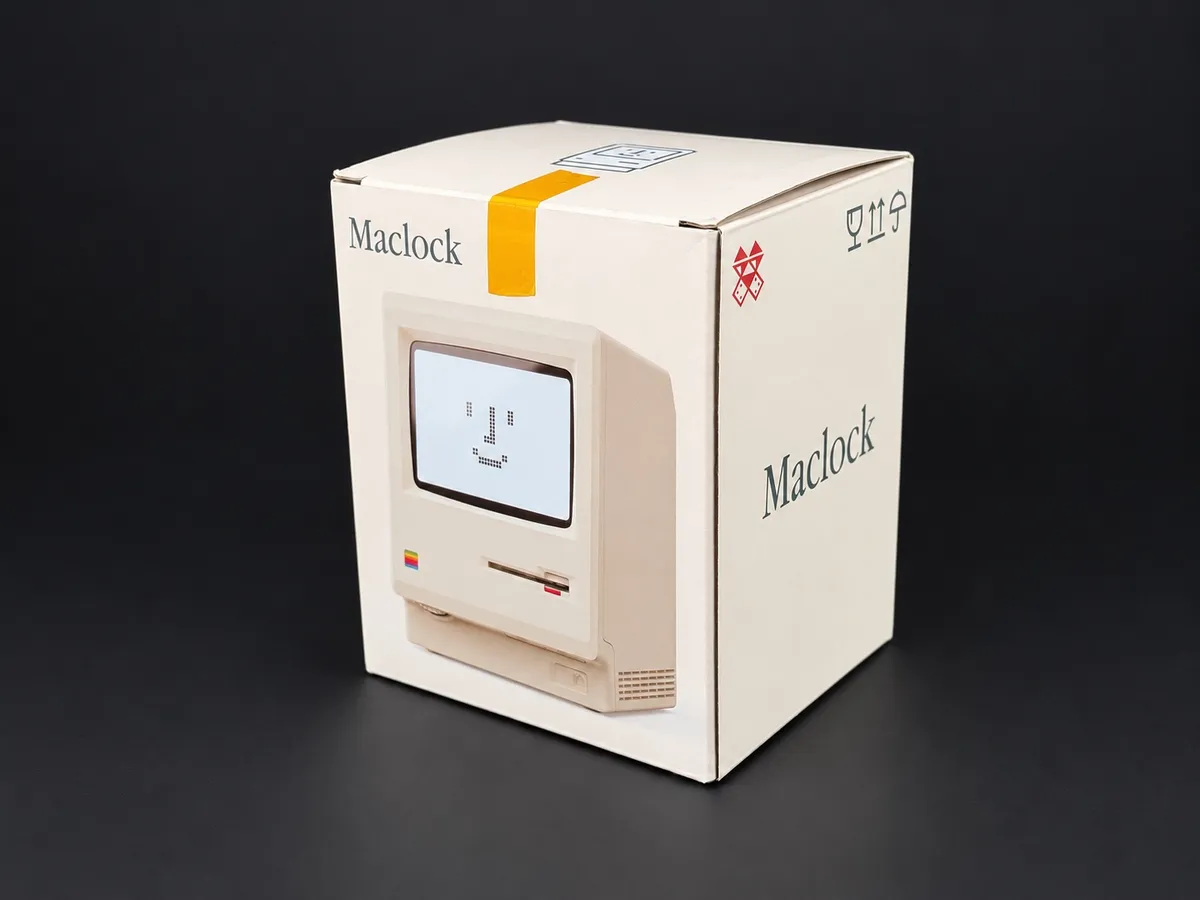
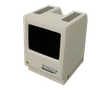 Maclock — The outer shell. You can also buy from Amazon.
Requirements
- For a DIY kit: a Raspberry Pi Zero 2 W, the brains of the build, from Amazon (the official resellers cap it at one per order right now)
- For a DIY kit: a 32 GB microSD card to install Pi OS (16 GB can work too)
- 2.4GHz Wi-Fi (if you want your Mac OS install to be able to access your network)
- A legally-obtained™︎ Mac IIci / Quadra ROM such as
064DC91D - A disk image with System 7.0 - 8.5 (or Mac OS 8.1 and later, with SheepShaver)
- A computer to flash the SD card and FTP over the ROM and disk image
The hardware is licensed under CERN-OHL-S-2.0, the software under GPL-3.0-or-later, and the docs under CC BY-SA 4.0.
Note: while 3D renders are meticulously rendered to give you a realistic sense of what each product looks like, they're not 100% perfect. Some variation or inconsistencies may exist that have little to no impact on aesthetics or functionality, unless otherwise noted. If you have questions or concerns, please ask before purchasing. Thank you!
Specifications
Physical
- Dimensions
- 80 × 115 × 99 mm
- Dimensions
- 71 × 15 × 27 mm
- Dimensions
- 71 × 6 × 48 mm
Board
- Revision
- 2026.11
- Layers
- 2
- Thickness
- 1.6 mm FR4
- Bare PCB size
- 70.5 × 26.5 mm
- Finish
- HASL, lead-free
Key components
- Audio amplifier
- PAM8302A, 2.5 W class-D mono
- Audio buffer
- SN74LVC1G17, on a TPS7A2030 3.0 V low-noise regulator
- Rotary encoder
- HUANO 4.5 mm mouse-wheel encoder
- Buttons
- 2× TSB001A3518A tactile
- Computer
- Raspberry Pi Zero 2 W
- Display
- Waveshare 2.8" IPS LCD, DPI interface
- Speaker
- 8 Ohm, 1 W, 28–40 mm, PicoBlade 1.25 mm plug
Power
- Input
- the Maclock's own battery and charging board, through its 4-wire power plug: about 4 V
- Regulation
- none for the Pi: it runs straight from the clock's battery, at about 4 V, even with the charge cable plugged in
Connectivity
- Wireless
- Wi-Fi and Bluetooth (Raspberry Pi Zero 2 W)
Software & compatibility
- Mac OS
- System 7.0–8.5 (Basilisk II, 68k) or Mac OS 8.1 and later (SheepShaver, PowerPC)
- ROM
- 512 KB or 1 MB 68k ROM, Mac IIci / Quadra (Basilisk II); 4 MB PowerPC ROM (SheepShaver)
In the box
- Includes
- Maclock, Raspberry Pi Zero 2 W, 2.8" display, PCB, speaker, bezel, 32 GB SD card
- Includes
- pre-soldered PCB
- Includes
- PCB, all components, assembly guide